Key Takeaways
- Indoor lighting design is a critical factor in achieving comfort, energy efficiency, and compliance in high-performance buildings.
- Integrating daylight and thermal modelling enables data-driven decisions that balance illumination, heat gain, and occupant well-being.
- Combined simulations support optimised facade designs, adaptive lighting controls, and HVAC coordination for better building performance.
- Early modelling integration leads to cost savings, smoother approvals, and long-term sustainability outcomes.
Introduction
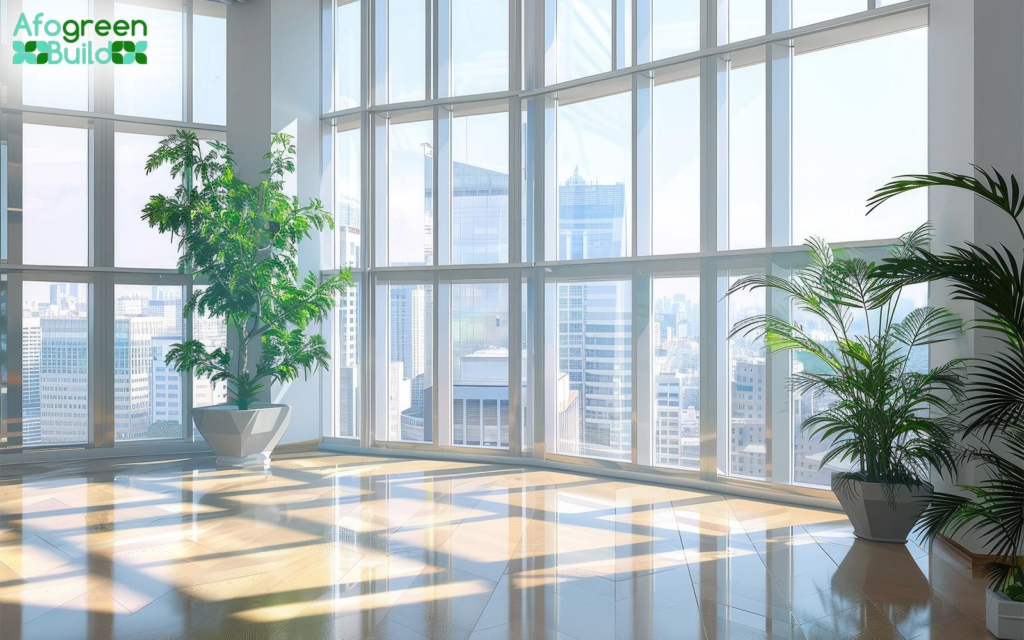
In high-performance building projects, indoor lighting design goes far beyond meeting basic lux levels. For architects, M&E consultants, and developers, lighting is a strategic tool that influences how people experience and perform in a space. When optimised effectively, natural and artificial lighting can enhance visual comfort, reduce energy use, and support wellness-focused benchmarks.
To achieve this balance, advanced modelling tools are transforming how design teams approach sustainable building lighting strategies. Here’s how these simulations help create well-lit, energy-efficient spaces that enhance both comfort and performance.
Why Integrate Daylight and Thermal Modelling?
To truly achieve a high-performance outcome, design teams must understand how light interacts with the building envelope and its mechanical systems. This is where building performance simulation becomes indispensable.
Daylight modelling provides valuable insight into how natural light interacts with building interiors throughout the year. By analysing metrics such as spatial daylight autonomy (sDA) and useful daylight illuminance (UDI), design teams can identify zones that are either overlit or underlit, helping maintain consistent lighting quality that supports both comfort and productivity.
However, abundant daylight also brings challenges. Without careful consideration, excessive solar gain can lead to glare and overheating, increasing cooling loads. This is where thermal modelling becomes critical. By simulating solar heat gain, material conductivity, and shading effects, thermal models help balance illumination and thermal comfort.
Practical Benefits of Combined Simulation
Combining daylight and thermal modelling enables design professionals to create informed, performance-driven indoor lighting designs that go beyond visual aesthetics. Among the key benefits are:
- Smarter facade strategies: Select glazing and shading systems that maximise daylight penetration while mitigating heat gain. These simulations help determine the most effective facade orientation, glazing type, and shading geometry to provide consistent light quality and thermal comfort throughout the day.
- Adaptive lighting controls: Integrate lighting sensors that adjust artificial illumination in response to real-time daylight conditions, reducing electricity consumption. This dynamic approach not only lowers operational costs but also enhances occupant comfort by maintaining optimal light levels as daylight fluctuates.
- System coordination: Align HVAC and lighting designs early in the process to prevent clashes, oversizing, or unnecessary redesigns. Coordinating these systems offers balanced energy distribution, reduced load on cooling systems, and smoother integration of building automation strategies.
Beyond energy efficiency, these integrated simulations also support wellness-focused certifications such as the WELL Rating in Australia. By optimising glare control, daylight quality, and circadian lighting design, project teams can meet WELL criteria related to Light and Thermal Comfort, promoting healthier and more comfortable indoor environments for building occupants.
How to Navigate Code Compliance with Confidence
Compliance with building energy standards such as Section J of Australia’s National Construction Code (NCC) requires careful coordination among lighting, envelope, and mechanical systems. While deemed-to-satisfy (DtS) paths provide straightforward checklists, senior architects, developers, and building owners seeking greater design innovation and cost control benefit significantly from performance-based compliance.
Here’s how project teams can approach compliance strategically:
- Start simulation early: Integrate daylight and thermal modelling from the concept design stage to flag potential issues before final documentation. Early insights prevent costly rework and delays, embedding energy and comfort goals from the start.
- Use JV3 modelling for trade-offs: Use JV3 assessments to balance glazing ratios, shading, and HVAC capacity, achieving energy targets without sacrificing natural light. This performance-based route provides flexibility for creative design while maintaining Section J compliance.
- Align stakeholders on simulation outcomes: Encourage open communication between architects, M&E engineers, and facade consultants to align modelling results and design intent. A coordinated workflow helps optimise both indoor lighting design and mechanical systems for better overall performance.
- Document and validate thoroughly: Comprehensive simulation reports demonstrate measurable performance improvements and support both regulatory approvals and ESG reporting. Clear documentation also strengthens the project’s case for sustainability certifications.
- Plan for operational monitoring: Apply simulation insights to design smart lighting and HVAC controls that sustain efficiency throughout the building’s operational life. Continuous monitoring allows energy use to stay optimised even as occupancy patterns change.
These practices empower developers and owners to navigate compliance confidently while unlocking design freedom and lifecycle savings.
Designing for Comfort, Efficiency, and Performance

For decision-makers in complex commercial and residential developments, adopting daylight and thermal modelling as a standard practice is a competitive advantage. It offers indoor lighting designs that deliver sustainability, comfort, and operational cost savings, which are essential for high-value, future-ready buildings. If your next project aims to excel in sustainability and occupant well-being, integrating these advanced simulation tools into your design workflow is not optional, it’s essential.
At Afogreen Build, our expertise as a building sustainability consultant helps clients integrate simulation-based approaches that drive performance, enhance comfort, and future-proof developments. Whether you’re designing a new commercial tower or upgrading an existing property, our team partners with you to develop sustainable, human-centric solutions that set new standards for design excellence.
Contact us to start building brighter, more efficient spaces today.
Disclaimer: Please note that the information provided in this article is for general guidance only. Project teams should review and verify all requirements according to their specific project conditions and applicable regulations. Afogreen Build is not liable for any decisions or actions taken based solely on the information presented here.