Key Takeaways
- A net-zero building balances its energy consumption with renewable generation, achieving carbon neutrality while boosting long-term value.
- Integrating energy-efficient design principles early in the process reduces loads and improves performance.
- Certifications like Green Star certification, NABERS, and NatHERS provide credible frameworks for assessing and verifying building performance on the path towards net-zero goals.
- Collaboration with a qualified ESD consultant helps achieve compliance, optimisation, and measurable sustainability outcomes.
Introduction
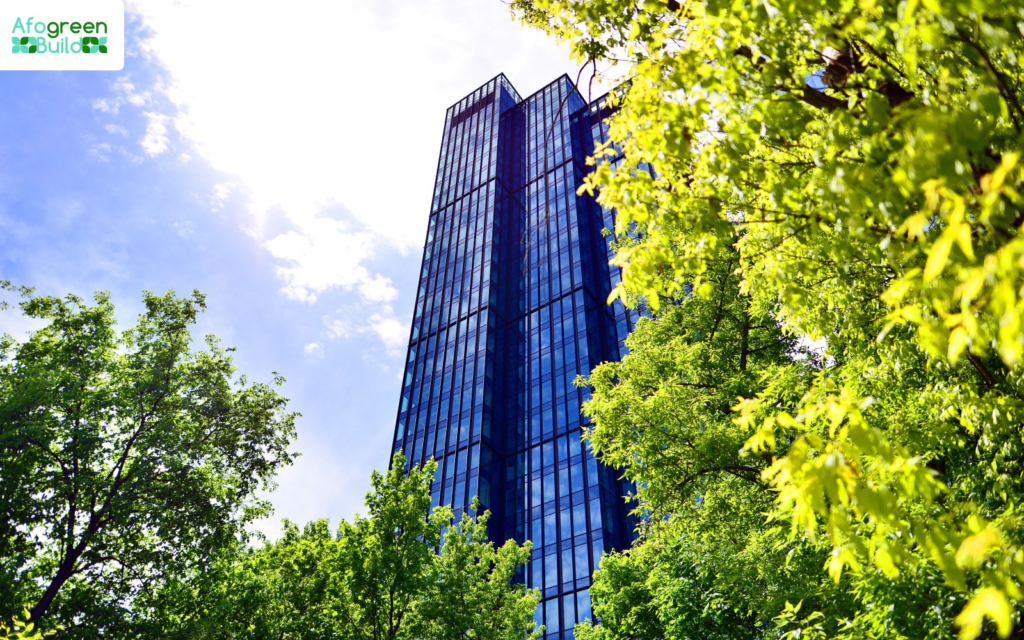
As sustainability becomes a defining metric of business performance, net-zero buildings have evolved from niche innovations into an industry expectation. For architects, developers, engineers, and asset managers, understanding how to design and deliver buildings that generate as much energy as they consume is critical, not just to meet regulations, but to lead in a competitive market.
This guide highlights the benefits of energy-efficient building design, key strategies, and how certifications like Green Star, NABERS, and NatHERS offer credible pathways.
What Is a Net-Zero Building?
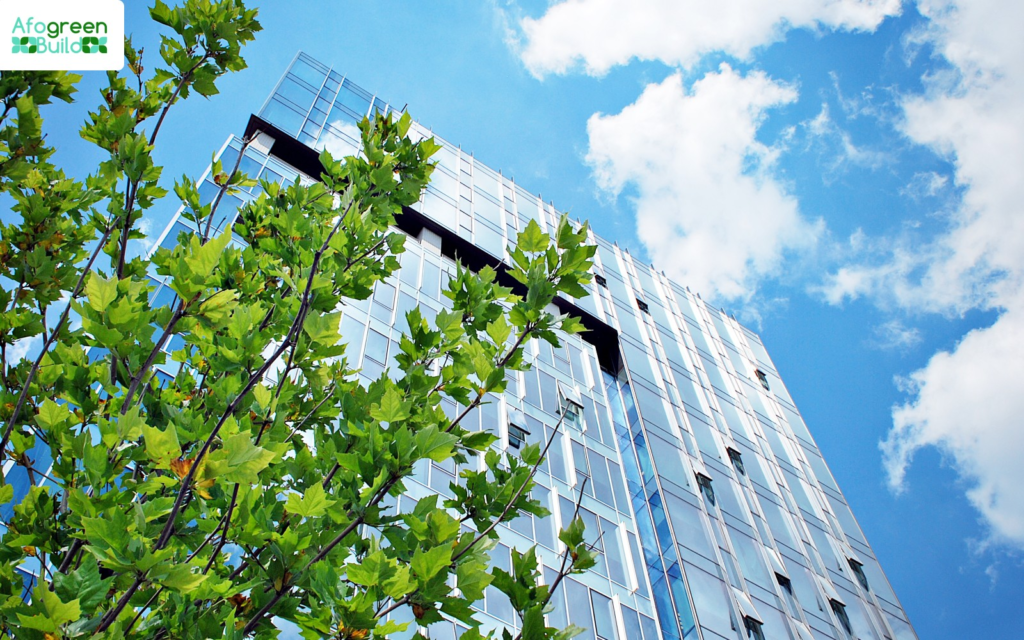
A net-zero building is defined as a facility designed to balance its annual energy use with renewable energy generation, either on-site or through the purchase of clean energy. They aim to significantly reduce carbon emissions, enhance operational efficiency, and contribute to achieving long-term Sustainable Development Goals (SDGs). They represent a high standard not only in energy performance but also in resource use, indoor environmental quality, and lifecycle impact.
The Benefits of Achieving Net-Zero Outcomes
Sustainable architecture brings advantages across environmental, financial, and social dimensions:
- Environmental impact: They significantly reduce carbon emissions, lower reliance on fossil fuels, and ease demand on the grid.
- Economic value: Owners benefit from lower operating costs, higher asset value, and resilience against rising energy prices and carbon policies.
- Corporate reputation: They strengthen Environmental, Social, and Governance (ESG) credentials, meet investor expectations, and enhance brand credibility in a market increasingly focused on verifiable sustainability.
Essential Net-Zero Design Strategies for High-Performance Projects
1. Passive Design That Reduces Load Before You Build Systems
Energy efficiency begins at the design stage. By optimising a building’s form, envelope, and orientation, designers can significantly reduce the need for mechanical heating and cooling, lowering both capital expenditure and operational costs. Owners should prioritise:
- Site-responsive massing, orientation, and façade treatments to harness natural daylight, shading, and prevailing winds.
- High-performance glazing, insulation, and dynamic shading to minimise unwanted solar gain and thermal bridging.
- Reducing heating and cooling loads early, allowing for smaller, more efficient systems downstream.
A strong passive design foundation is crucial for achieving energy efficiency in building design, offering comfort and performance while keeping long-term costs in check.
2. Efficient Systems, Electrification, and Smart Control
While passive measures lay the groundwork, achieving a net-zero building requires efficient, fully electrified systems guided by intelligent controls. For example:
- All-electric HVAC systems, LED lighting, and variable-speed drives operate together to minimise energy waste.
- Building Management Systems (BMS) that adjust dynamically to occupancy patterns, load demands, and weather conditions for optimal efficiency.
- Sub-metering and data monitoring embedded throughout the building enable continuous optimisation and reliable NABERS assessment tracking.
On dense or complex sites, these technologies enable consistent performance and measurable savings, transforming buildings into adaptive, energy-smart environments.
3. Integrated Renewable Energy and Clean Energy Procurement
A credible net-zero energy strategy requires renewable generation, either on-site or through certified clean energy sources. This includes:
- Solar photovoltaic (PV) systems, which remain the most scalable and cost-effective renewable option for most building types.
- Wind turbines and battery storage to provide additional stability and energy resilience.
- Clean energy procurement, such as power purchase agreements. These enable projects to offset remaining consumption with off-site renewable energy sources when on-site capacity is limited.
These integrated renewable pathways not only decarbonise operations but also future-proof assets against rising energy and carbon costs.
4. Performance Verification and Certifications That Hold Weight

Delivering a net-zero building doesn’t end at design and construction; it must be proven through measurable performance. Frameworks such as Green Star, NABERS, and NatHERS provide credible systems for assessing, verifying, and continuously improving building outcomes on the path toward net-zero goals.
- Green Star: A comprehensive sustainability rating system that evaluates a building’s environmental performance across areas such as energy, materials, water, and indoor environmental quality. Green Star Performance v2 supports tracking and verifying improvements, demonstrating commitment to a net-zero future.
- NABERS: Focused on operational outcomes, NABERS provides frameworks such as NABERS Energy, NABERS Embodied Carbon, and Carbon Neutral Certification to measure and verify real-world performance and progress toward carbon neutrality.
- NatHERS (Nationwide House Energy Rating Scheme): Applied to residential projects, NatHERS uses detailed building energy simulation to estimate thermal performance and comfort. A “Whole of Home” score of 100 represents a net-zero energy home.
Engaging an experienced ESD consultant early can be instrumental in integrating sustainability goals into the project’s design process, optimising energy performance, and helping achieve compliance with certification requirements from the outset. Conducting building energy simulations during design and post-occupancy evaluation can further verify that real-world outcomes align with the net-zero intent.
Turning Sustainability Goals into Measurable Outcomes
In today’s competitive property landscape, net-zero and low-carbon construction represent the next frontier of responsible and profitable development. Whether you’re building a commercial high-rise, healthcare facility, or mixed-use precinct, embedding sustainability from the outset drives stronger leasing performance, enhanced asset resilience, and a more positive long-term environmental impact.
Engaging experienced sustainability consultants and pursuing robust certification frameworks doesn’t just help you comply, it enables you to lead. At Afogreen Build, our team provides advisory support, such as Green Star, NABERS assessment, and NatHERS consultants, to help your project achieve meaningful and measurable outcomes. Together, we advance the transition toward a low carbon-built environment.
Ready to future-proof your next development? Get in touch with us today.
Disclaimer: Please note that the information provided in this article is for general guidance only. Project teams should review and verify all requirements according to their specific project conditions and applicable regulations. Afogreen Build is not liable for any decisions or actions taken based solely on the information presented here.