Key Takeaways
- Design for disassembly (DfD) is an intentional approach that plans for a building’s end-of-life from the start.
- It is critical for fostering a circular economy in construction, moving away from the linear “take-make-dispose” model.
- Integrating DfD strategies early on leads to lower lifecycle costs, greater flexibility, and reduced environmental impact.
- Selecting the right materials and connections enables disassembly without compromising structural integrity.
Rethinking Construction Through Design for Disassembly
In today’s construction landscape, sustainability has evolved from a differentiator to a fundamental expectation. Yet one often-overlooked question remains: what happens when a building reaches the end of its life? Traditional demolition methods send tonnes of debris to landfills, squandering valuable materials and embodied carbon.
Enter design for disassembly (DfD), an approach that challenges the conventional “build and dispose” mindset. By designing structures for easy dismantling, materials can be reused, recycled, or repurposed, extending their lifespan and reducing waste. This concept is redefining how architects, engineers, and developers think about sustainable design and long-term asset management.
Why Does Designing for Disassembly Matter?
Each year, the construction and demolition sector generates over a third of the world’s solid waste. Much of this comes from materials that are fused, glued, or welded together, making separation nearly impossible. Through DfD, buildings can be constructed with mechanical joints, modular systems, and reversible connections that enable efficient material recovery.
The benefits are far-reaching:
- Lower long-term costs for renovation, relocation, or repurposing.
- Alignment with the circular economy in construction and green certification frameworks.
- Greater building adaptability, allowing spaces to evolve with new uses.
- Reduced landfill waste and environmental impact.
Incorporating these sustainable building principles from the start also enhances resilience, making buildings more flexible in an uncertain future.
7 Sustainable Building Materials for Easy Disassembly
Implementing design for disassembly principles begins with choosing the right components. Below are seven materials that exemplify circular thinking in modern construction.
1. Cross-Laminated Timber (CLT)
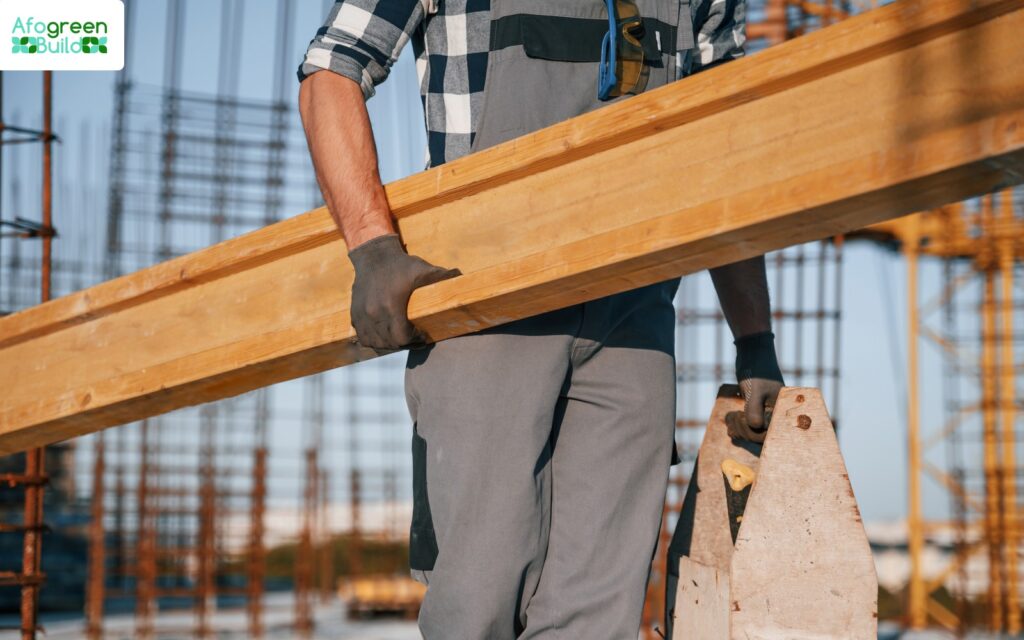
CLT is an engineered wood product made by layering boards in alternating directions and bonding them under pressure. Since these panels are factory-fabricated and joined using mechanical fasteners instead of adhesives, they can be dismantled without damaging the material. Lightweight yet strong, its minimal reprocessing needs and carbon-storing properties make it a cornerstone of low-impact construction.
Best suited for: Mid- to high-rise residential buildings, commercial offices, and educational facilities.
2. Bolted Structural Steel Frames
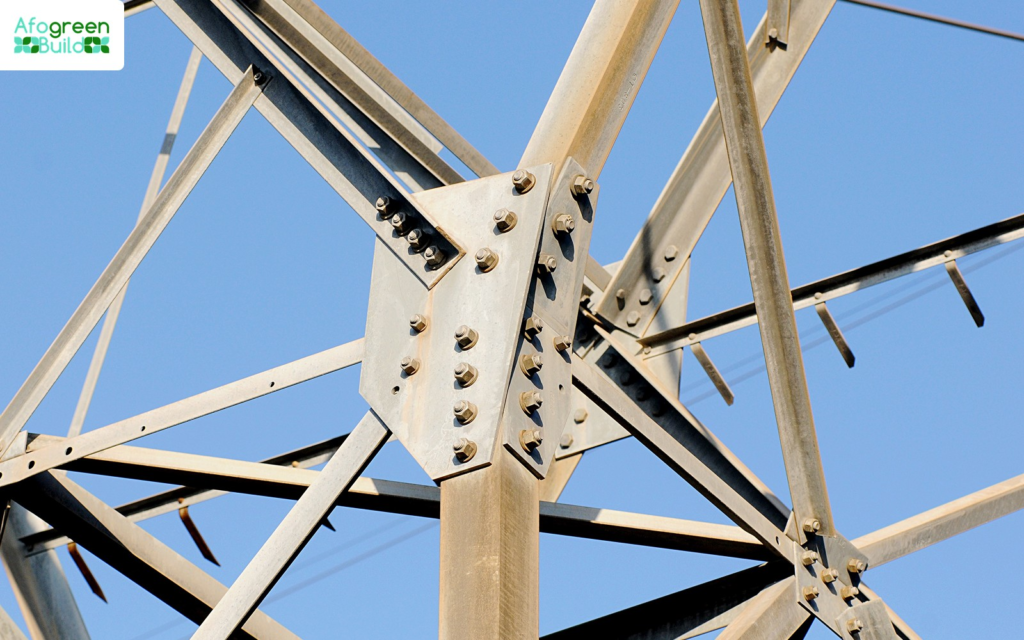
Steel has long been valued for its strength, but when frames are bolted instead of welded, they also become highly reusable. Bolted structural systems can be dismantled and reassembled multiple times without compromising integrity. Steel’s traceable lifecycle and high salvage value also make it an enduring asset, allowing components to retain economic and functional worth beyond their first application.
Best suited for: Commercial, industrial, and data centre developments.
3. Hempcrete Blocks
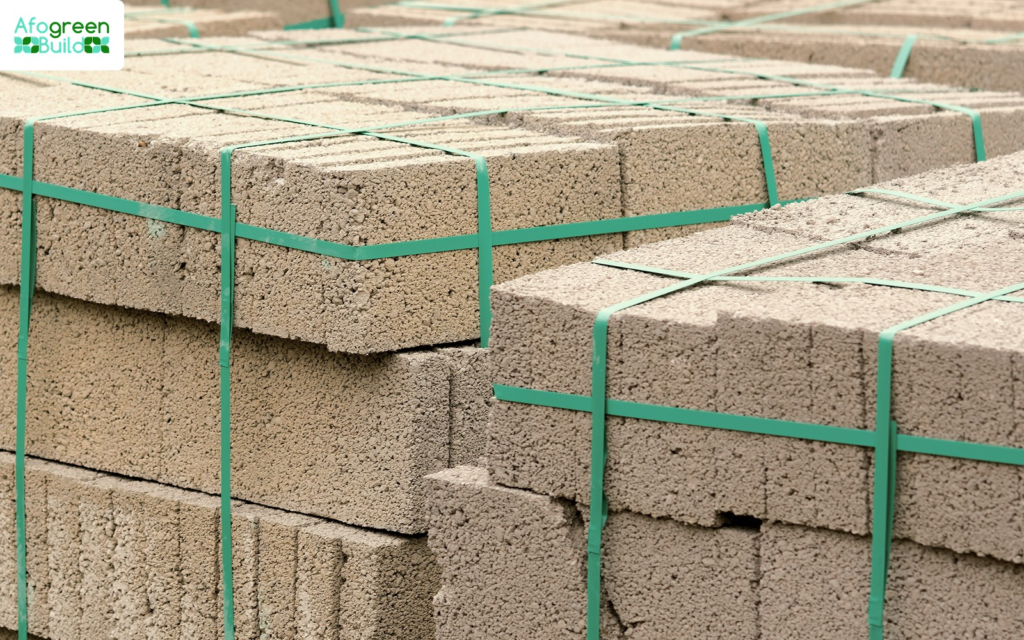
Hempcrete combines hemp fibres with lime and water to create lightweight, insulating blocks that actively sequester carbon. Bound together with lime-based mortar, they can be separated without generating chemical waste, allowing easy reuse or composting. It also boasts a breathable, non-toxic composition, supporting healthier indoor air quality.
Best suited for: Non-load-bearing partitions, interior walls, and insulation applications.
4. Modular Facade Panels (Aluminium + Glass)
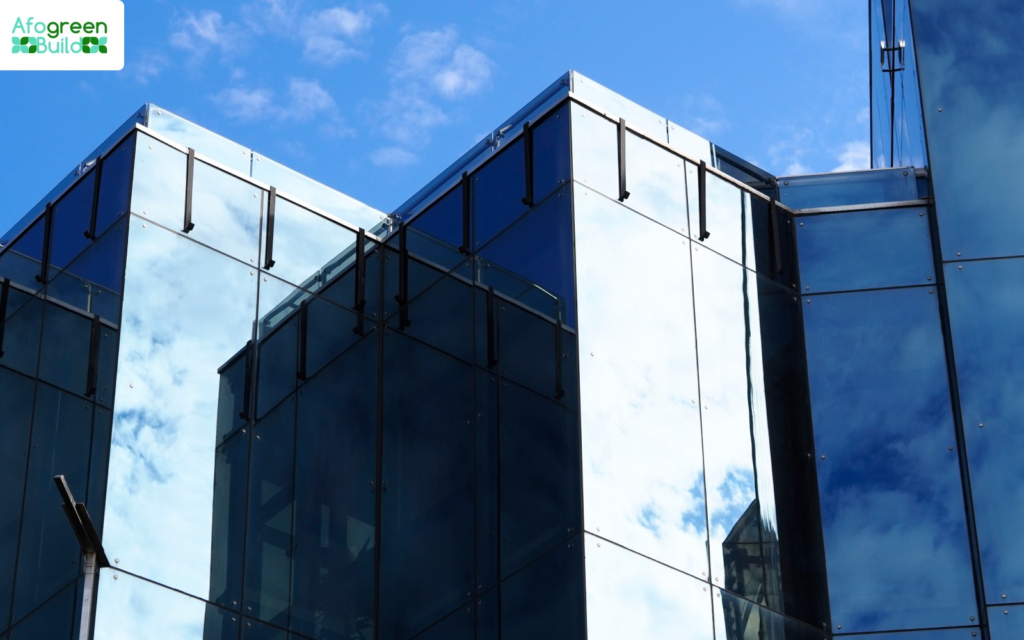
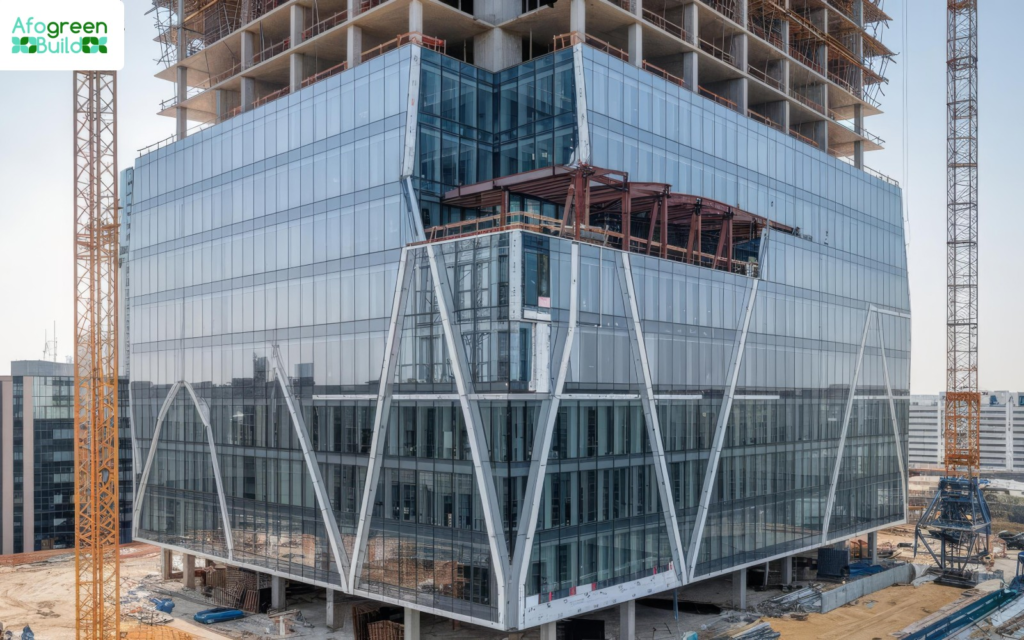
Prefabricated aluminium and glass facade panels are installed as interlocking systems. This means that the panels can be removed or replaced without damaging the main structure, enabling easy upgrades or maintenance. The modularity of these facades ensures minimal disruption during replacement and significantly reduces construction waste.
Best suited for: High-rise office towers, mixed-use developments, and technology campuses.
5. Magnesium Oxide (MgO) Boards
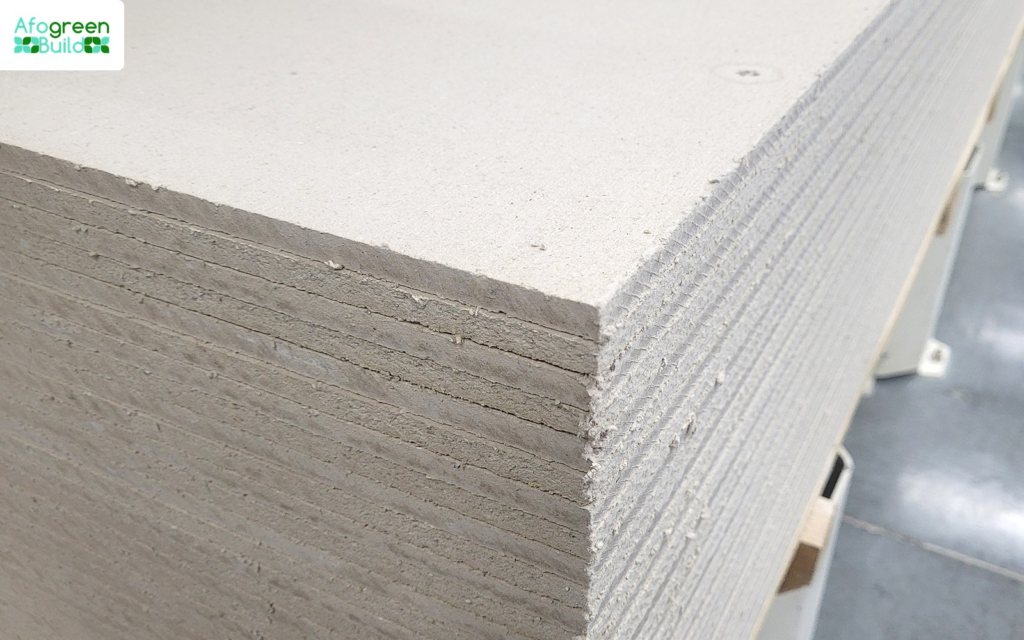
A durable and fire-resistant alternative to gypsum drywall, Magnesium Oxide (MgO) boards are mechanically fixed rather than glued, allowing them to be removed intact and reused. Resistant to moisture, mould, and warping, these boards are also non-toxic and fully recyclable. With a long service life and minimal maintenance requirements, MgO boards provide both resilience and sustainability.
Best suited for: Interior partitions, ceiling systems, and fire-rated wall assemblies.
6. Click-and-Lock Flooring Systems
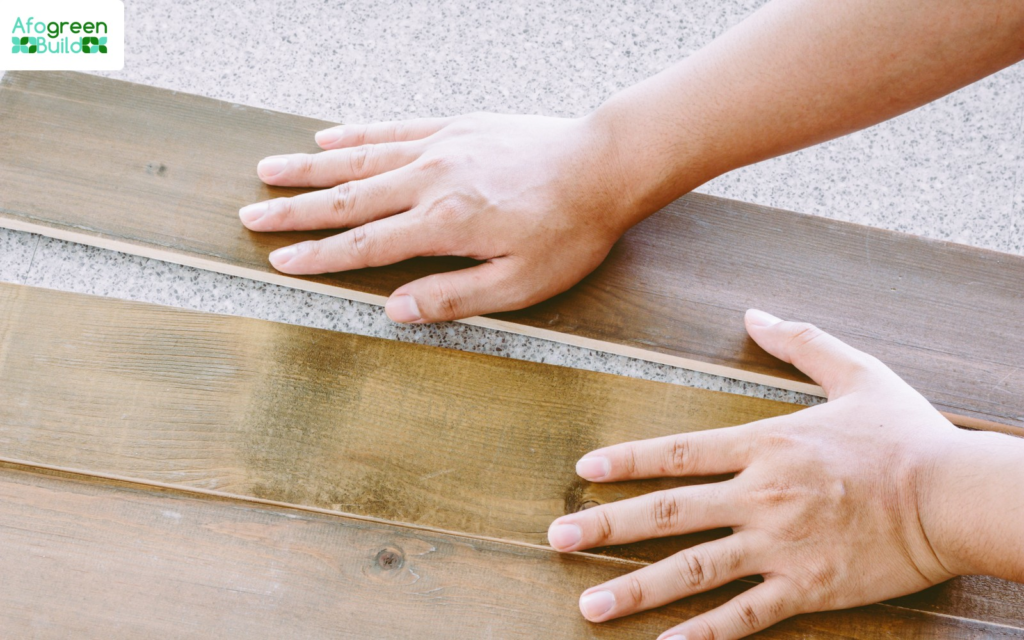
Click-and-lock engineered flooring systems eliminate the need for adhesives or nails, enabling quick installation and effortless replacement. Individual planks can be removed and reused without damaging the subfloor, making them ideal for spaces that require frequent layout changes.
Best suited for: Offices, commercial fit-outs, and modular workspaces.
7. Precast Concrete with Reversible Connections
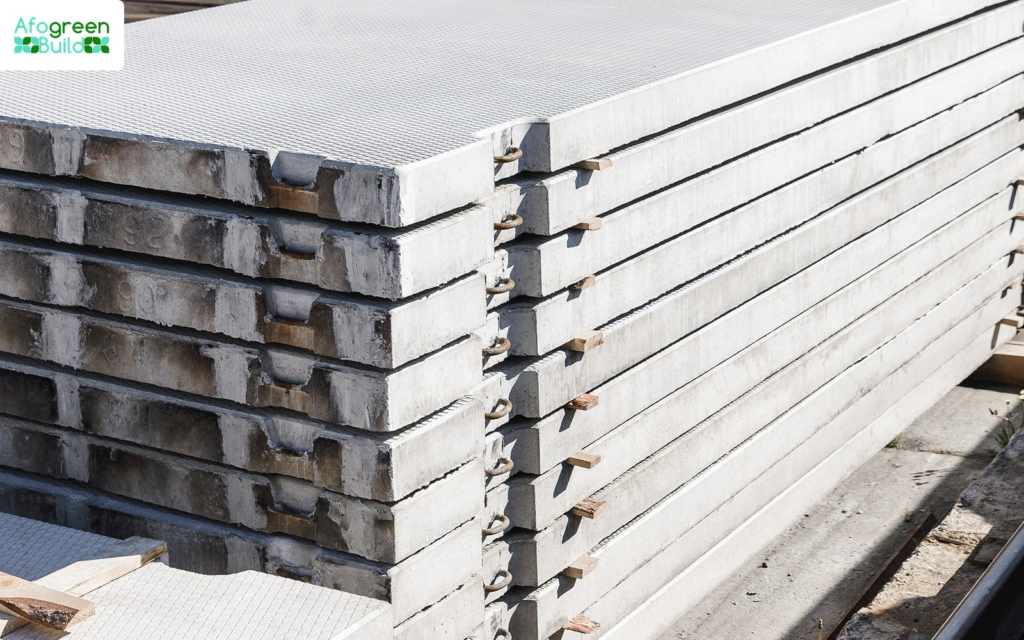
When designed with dry joints or bolted reinforcements, precast concrete offers both durability and reusability. Unlike traditional poured concrete, these panels can be dismantled and repurposed for future developments without compromising strength or performance.
Best suited for: Podium structures, modular housing, and large-scale infrastructure projects.
Addressing Common Concerns About Design for Disassembly
A common concern among developers is whether DfD compromises structural integrity. In reality, intentional design and precision engineering can maintain, or even enhance, performance.
When DfD strategies are integrated from the start, structural performance can be maintained or even enhanced through smarter material selection, modular construction techniques, and precision engineering. Structural safety and durability need not be sacrificed for adaptability; instead, they can be mutually reinforcing when appropriately managed by a knowledgeable sustainable building consultant.
In the next wave of construction innovation, sustainability must go beyond operational efficiency to include end-of-life foresight. By using materials and systems designed for easy disassembly, projects can secure greater residual asset value, reduce embodied carbon, and adapt to shifting market needs without major reconstruction. Life cycle assessments also allow developers to evaluate the long-term environmental impact of their design choices and make data-driven decisions that maximise value.
As more clients demand resilience, adaptability, and carbon accountability, engaging an experienced ESD consultancy like Afogreen Build can help embed DfD principles, giving you a competitive edge. We also provide life cycle assessment consulting services to help you quantify and improve your project’s performance. By designing for a future beyond occupancy, we ensure that your building doesn’t just meet today’s sustainability standards, it anticipates tomorrow’s.
Get in touch with us today.
Disclaimer: Please note that the information provided in this article is for general guidance only. Project teams should review and verify all requirements according to their specific project conditions and applicable regulations. Afogreen Build is not liable for any decisions or actions taken based solely on the information presented here.